
The Wreckage
On gold, collision, and the right kind of ruin

Gold did not form here..
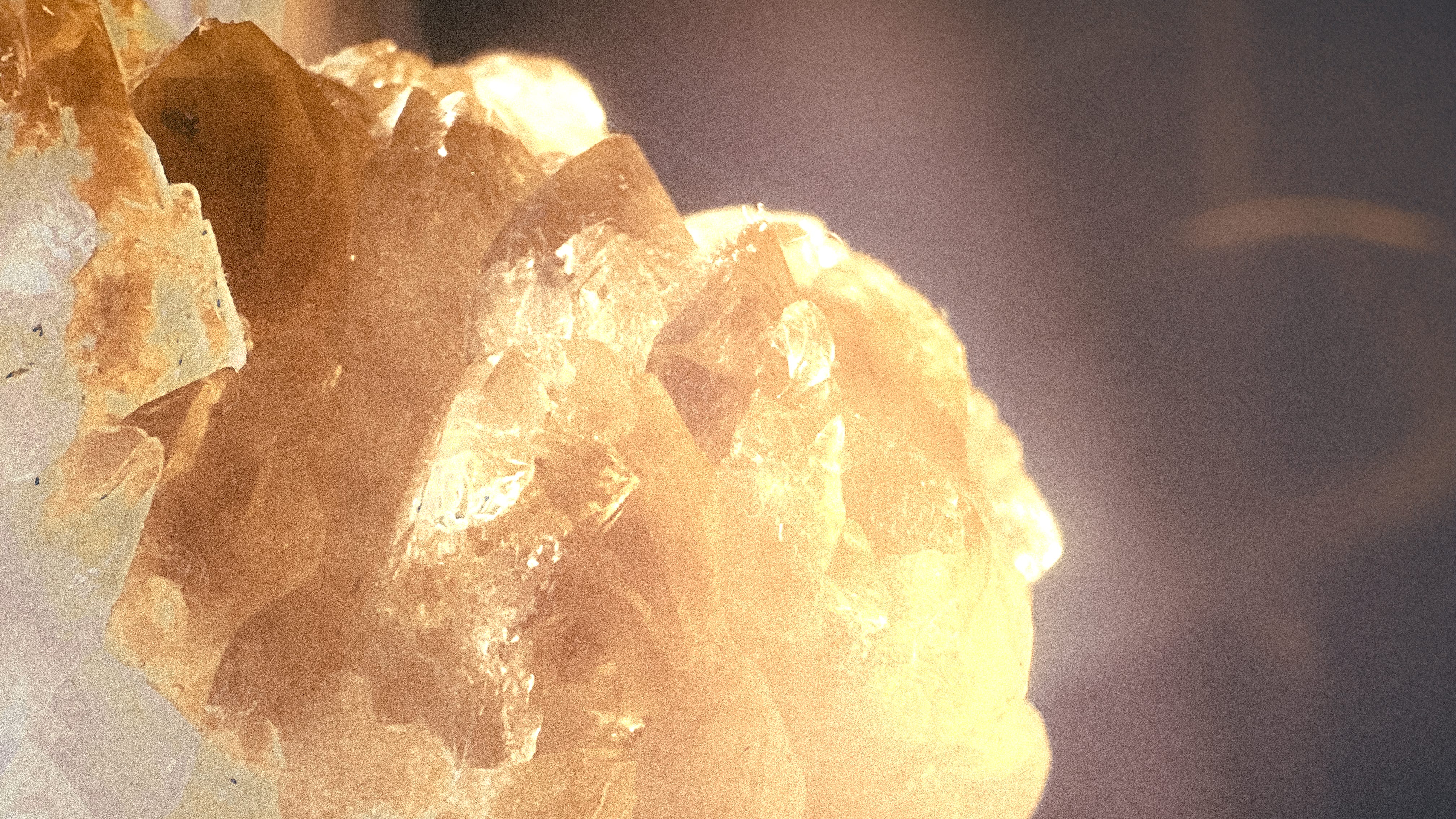
Not in our sun or any sun for that matter. The physics won't allow it. Building an element that heavy requires an environment so neutron-rich, so violently energized, that stars themselves can't produce it in normal operation.
What it needs is two neutron stars finding each other.
A neutron star is what remains after a massive star burns through everything it had, hydrogen, helium, carbon, all the way down until there's nothing left to fuse. The star collapses. What's left is a sphere roughly the size of a city. Dense beyond comprehension. Barely light.
A dead thing that used to be a sun.
When two of these find each other, pulled by gravity over millions of years, they spiral inward.
Closer.
Faster.
Until they merge.
The collision lasts less than a second. In that second, neutrons slam into nuclei faster than they can decay. Elements build layer by layer. Gold. Platinum. Uranium.
The event briefly outshines entire galaxies.
Then, it's over.
The debris disperses. Billions of years later, some of it folds into a new solar system. Into rock. Into ocean floors. Into the hands of creatures who will, for reasons they can't fully explain, consider it sacred.
The alchemists were obsessed with gold.
But not in the form of coin, in the form of transformation. The great work was never about getting rich. It was about understanding what gold represented: matter that had transcended its own nature. Incorruptible. Unchanging. A physical thing that behaved like something outside of time.
They believed the transformation was possible. Lead to gold. Base to pure. They built laboratories, spent lifetimes reaching for a process they could feel the shape of but couldn't name.
They kept arriving at solve et coagula: dissolve and coagulate. Destruction first. Then new form.
They were half right about everything.
Matter ages. Not dramatically, just daily, relentlessly. The body loses something each year it doesn't fully recover. You don't notice it happening and then one day you do.
Spirit diminishes differently. Each real loss takes something off the signal and it is less decay, more compression. What was once radiant becomes dense and dark in a way that doesn't look like grief from the outside anymore. It just looks like a person who has been through things.
The alchemists named these: materia prima and spiritus. Matter and spirit. The two substances the great work required.
Neither produces gold alone.
You can age a body into the ground without gold forming. You can accumulate grief until you're nothing but collapsed silence without gold forming. The transformation requires collision, two things that have burned through everything they had, moving on their own trajectories, until gravity closes the distance and they merge in an event they didn't choose.
Brief. Violent. Brighter than it has any right to be.
And in that moment, not through refinement or through discipline, nor through any laboratory procedure, something forms that neither could produce alone.
This is what the science confirmed that the alchemists couldn't say cleanly.
Gold doesn't come from ascending. It doesn't come from becoming purer or more spiritually advanced. It comes from having been massive enough, having burned long enough, having collapsed far enough, and then meeting the other collapsed thing at the right distance.
You cannot rush it. The r-process requires a specific density. Stars that hadn't burned through their fuel completely couldn't produce it even if they collided. The wreckage has to be the right kind of wreckage.
There's a version of transformation that is patient work, slow refinement, incremental progress.
And then there's gold.
Gold is what happens when two remnants find each other in the dark and the universe briefly has no choice but to make something new.
Hold a piece of gold. Really hold it.
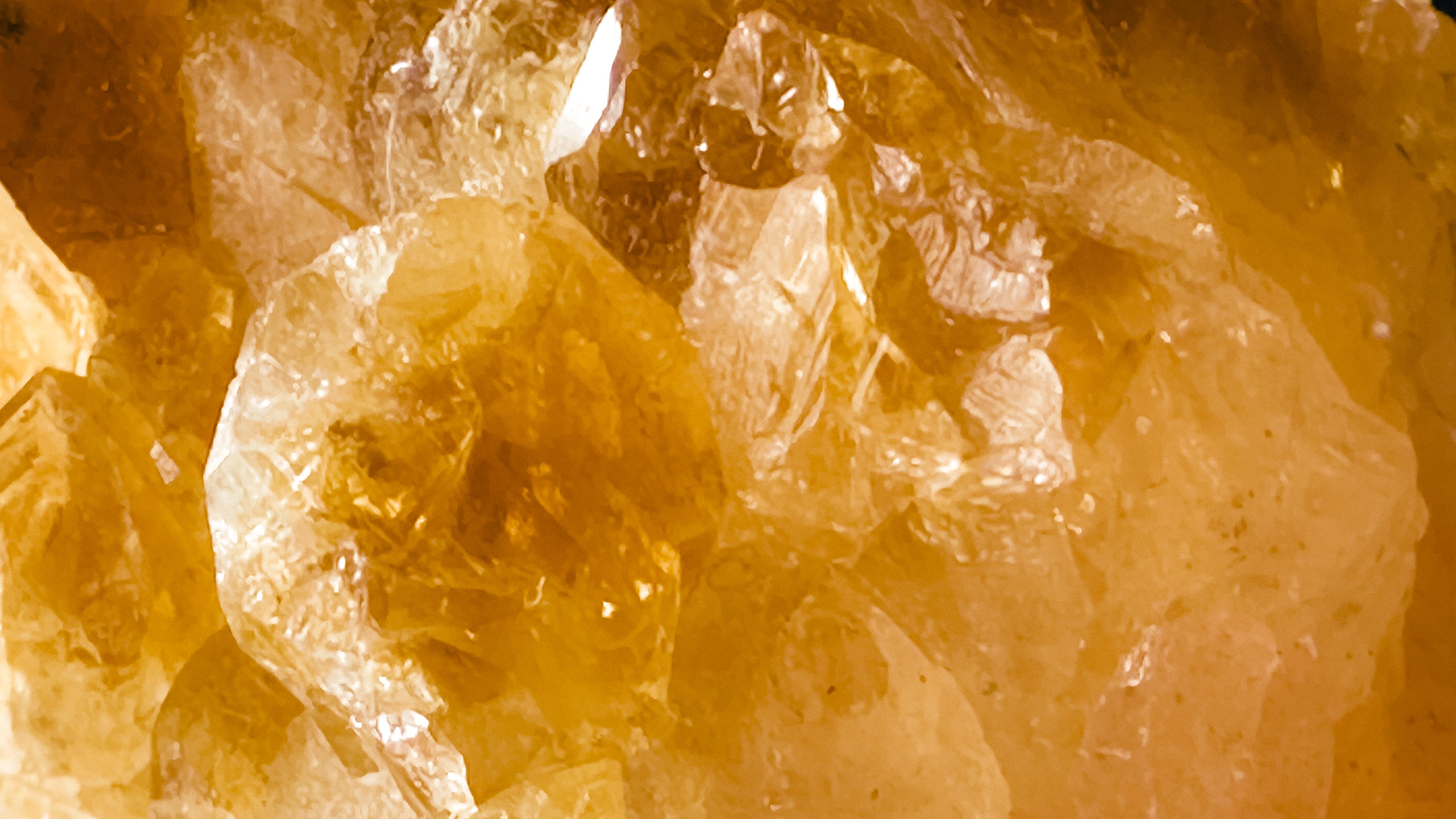
What you're feeling is the fossil of a collision that happened before Earth existed. Two dead stars the size of cities, spiraling together for millions of years, merging in a second. An event that briefly shone brighter than a galaxy and then went quiet.
That warmth in your hand is what survived.
The alchemists called it the divine gift. They weren't wrong about what it was. They just couldn't see how violent the making had to be.
Solve et coagula.
Dissolve first. Then, if the density is right, something forms that doesn't rust.